Can Your Rug Be Saved? When to Repair and When to Replace
Picture this: you are looking at your treasured rug and notice something worrisome. Worn edges, small holes, uneven wear on the pile… the list goes on. Your first instinct might be to panic. Rugs are costly, sentimental, and beautiful; of course you don’t want to see any signs of damage! You might be wondering if this rug is at the end of its life and if you need to start finding a replacement.
Before you slip into despair, take a deep breath! Don’t rush into researching new rugs. Instead, you should consider if repair is right for you. Take into account the age and sentimental value of the rug. Antiques, family heirlooms, and otherwise precious rugs are definitely worth saving. Because rugs are quite literally meant to handle foot traffic and are more robust than you might think, it’s likely that you can maintain your rug for years to come. If you notice signs of wear and tear on your rug, you can reference this guide to assess the extent of the damage and to explore your options when it comes to repair.
Regardless of the type of damage you notice on your rug, it’s important to remember that you should not wait to address it. The sooner you act, the better the outcome. Small things can quickly escalate if they go unattended. If you notice any blemishes on your rug, reach out to us at Azari Rug Gallery, and our restoration team can assess your rug and formulate a plan to repair it. Below are frequent kinds of damage and a quick rundown of what we look for in restoration.
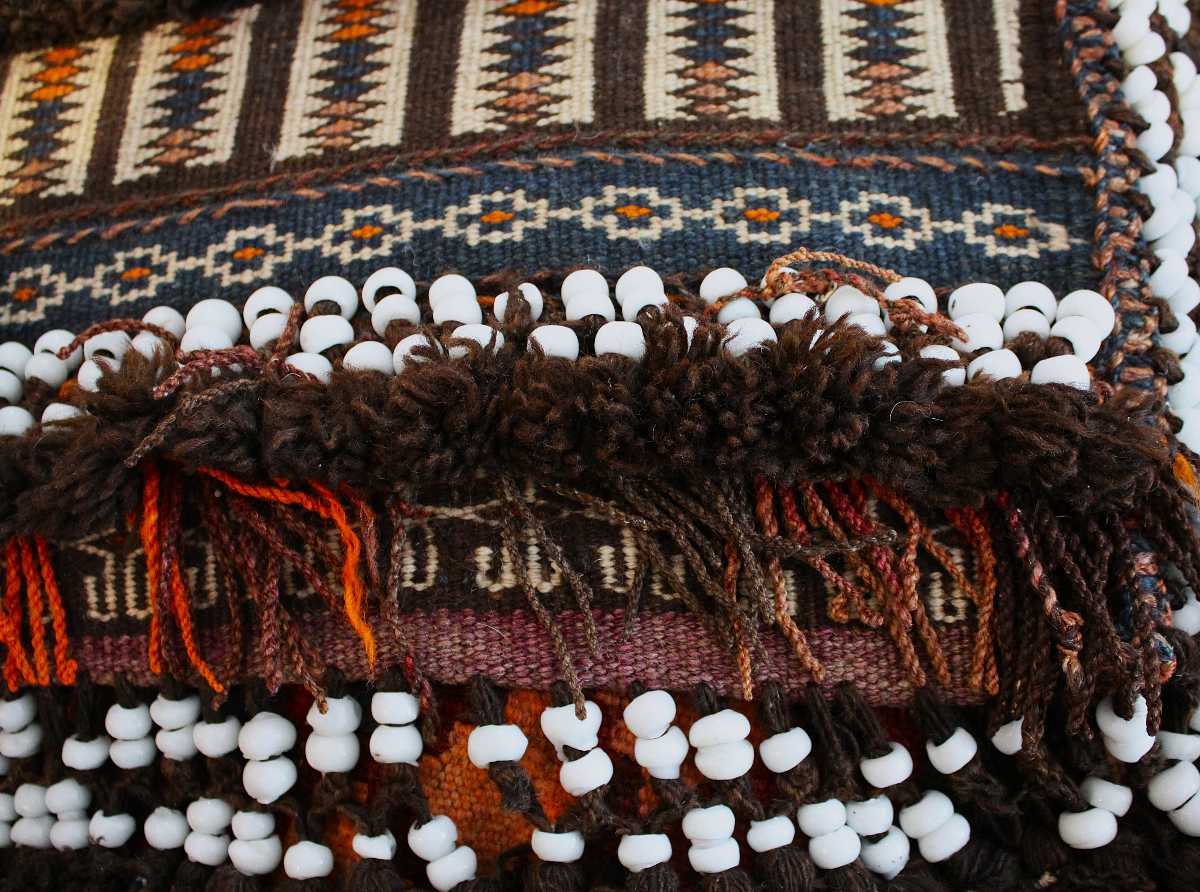
- Fringe Damage: Fringe can often appear to be loose, missing, or fraying. This should be addressed quickly, as fringe is quite literally what holds handknotted rugs together, and damage can result in larger structural problems. Luckily, this is often repairable! Our repair professionals can re-knot or add new fringe to stabilize your rug.
- Edge/Binding Fraying: Edges of rugs often are the first place where damage occurs as they bear the brunt of daily wear. Like fringe, unattended binding damage can quickly lead to structural problems, and your rug might start to unravel quickly. This too can be repaired by our team by reinforcing the binding.
- Uneven Pile: Although you can do a lot to prevent thinning or unusually textured patches on your rugs (such as rotating your rugs often and using pads), it is sometimes inevitable that you might notice uneven areas. When this happens, this can make the rug more prone to tearing under typical foot traffic. This can also be repaired by our repair team, as they can reweave these sections to bring your rug back to its original state.
- Small Holes/Pest Damage: If you notice small holes in your rug, it might be a sign that moth larvae or other unwelcome critters are feeding on the natural fibers. This can be repaired if you address it right away, but it can spread quickly and reach irreparable levels if unattended.
- Color Fading: Colors naturally fade in rugs as time passes, whether it be because of the sun or other natural processes. Our repair experts can help to re-dye areas that might not be as vibrant as they once were.
The next time you notice your rug needs a little revamp, bring it to Azari Rug Gallery, and we will help make it as beautiful as ever. Our cleaning and repair experts can help to assess just what care your rug needs so you can continue to admire your rug for years, even generations, to come.